
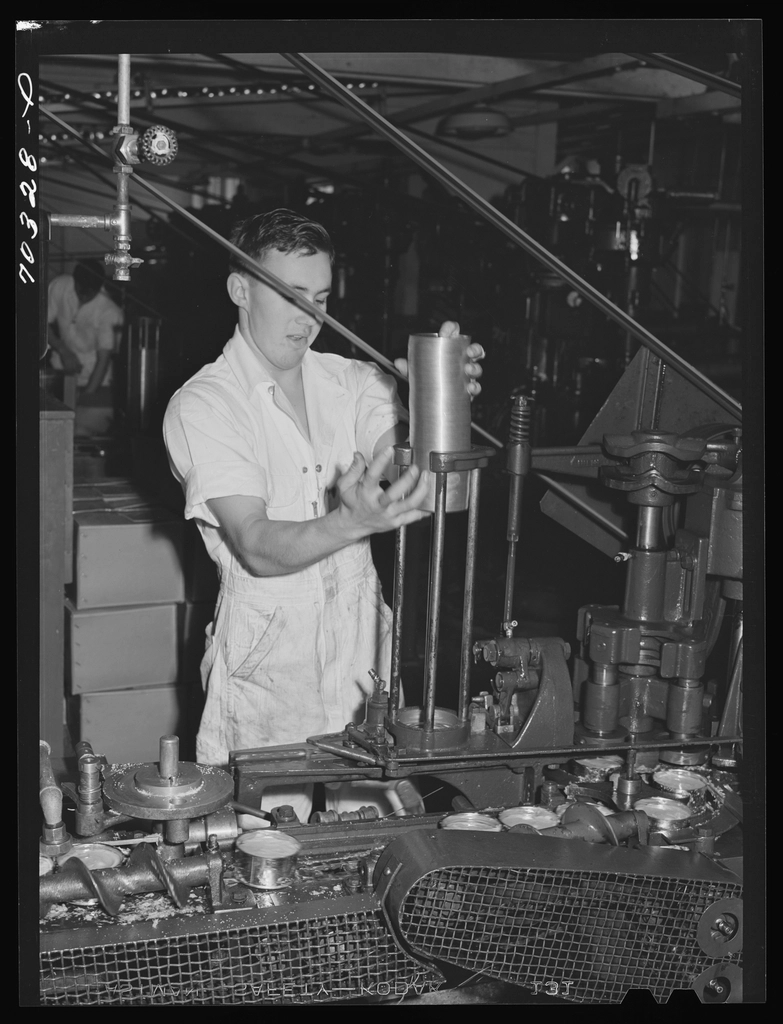
Your shop floor hasn’t had a quiet week in months. Orders keep landing. Staff are flat out. But the bank account looks about the same as it did two years ago, maybe worse. You haven’t touched your quoting model since you built it, and every cost underneath those quotes has moved. That gap between what you charge and what it actually costs to make the thing is where your profit went.
The Quote Was Right Once — It Isn’t Anymore
Most Perth manufacturers build their quoting spreadsheet during a specific era of their business. Material costs were X, power was Y, you had a certain crew size, your machine run rates were based on equipment that may have since been serviced, replaced or slowed down. The quote worked. So you kept using it. Maybe you bumped prices five or eight percent somewhere along the way, roughly in line with what felt right. But your actual cost base didn’t move in a neat five percent line. Steel, aluminium, resins, packaging — raw inputs have lurched around. Workers’ comp premiums crept up. Your electricity contract renewed at a higher rate. That one welder who used to do three jobs a day now trains a junior and does two. None of these shifts are dramatic on their own. But compound them across two or three years and your real cost per unit has moved fifteen, twenty, sometimes thirty percent. Your quote is still based on the old numbers. Every job you win at that old price feels busy, feels productive, and it is — for everyone except your bank account. The margin you assumed was there has been quietly eaten from underneath. You are manufacturing at full capacity and generating less profit than when the floor was half as busy. That is not a sales problem. That is a costing problem dressed up as success.
What a Proper Cost Build Actually Looks Like
A real quoting model for a manufacturer is not a materials-plus-markup calculation. It is a layered build that captures every dollar the business spends to convert raw inputs into a finished, delivered product. Start with direct materials — not what you paid last year, but what the next purchase order will actually cost, factoring in current supplier pricing and any MOQ changes. Then direct labour: the real hourly cost including super, leave loading, workers’ comp and training time, not just the base wage. Next is machine time. If your CNC or press runs eight hours a day, you need a per-hour rate that includes depreciation or lease cost, maintenance, power consumption and expected downtime. Then overheads — rent, insurance, quality control, freight out, even the admin time to process the order and chase the invoice. Finally, margin. Not a round number you have always used, but a margin that reflects the risk, the complexity and the opportunity cost of tying up your floor on that job instead of another one. When you lay it out this way, most manufacturing owners in Perth find their true cost per unit is materially higher than their quoting spreadsheet assumes. The gap might be eight dollars a unit or eighty. Either way, you are making decisions about which work to take based on information that is no longer true. A manufacturing CFO Perth engagement starts here — in the cost build — because everything downstream depends on it.
The Jobs You Should Be Turning Down
This is the part that stings. Once you have an accurate cost model, you will probably find that some of your regular, reliable, bread-and-butter jobs are barely breaking even. Maybe your biggest customer negotiated a price three years ago and you never revisited it because the volume was comforting. Maybe short-run custom jobs eat twice the setup time you quote for, and you absorb it because you always have. A part-time CFO Perth brings a different lens to this. Not the emotional lens of the relationship or the comfort of volume, but the financial lens that asks: does this job, at this price, with these real costs, actually contribute to profit after overheads are covered? If the answer is no, you have three options. Reprice the job honestly and have the conversation with your customer. Restructure the job — different materials, fewer setups, longer lead times — so the cost comes down. Or let it go and fill that floor time with work that actually pays. None of those choices are easy. But continuing to fill your factory with work that generates revenue and not profit is the hardest outcome of all, because it looks like success right up until the day you cannot make payroll, fund a machine repair or take on a genuinely profitable contract because your capacity is consumed by low-margin noise.
Building a Quoting Rhythm That Stays Current
The fix is not a one-off project. Costs move. Suppliers change pricing. Energy contracts roll over. New staff start at different rates. Your quoting model needs a rhythm — a quarterly review at minimum — where someone sits down with real numbers and recalibrates. This means pulling actual purchase costs from your last three months of invoices, not using the prices in your ERP that nobody has updated. It means recalculating your true labour rate every time wages or conditions change. It means reviewing your machine cost rates when you add, retire or repair equipment. And it means pressure-testing your margin targets against your cash flow, not just your P&L, because a profitable-looking job that ties up cash for ninety days while you wait for payment may still hurt the business. This is precisely the kind of work 360 Fox does with Perth manufacturing owners. Not bookkeeping, not compliance — the strategic cost and pricing architecture that determines whether your busy factory actually builds wealth or just burns fuel. We sit with you, rebuild the model from the floor up, and put a review cadence in place so the numbers stay honest. The factory floor can only do its job if the numbers behind the quotes reflect reality. When they do, every hour of production is working for you. When they don’t, you are just subsidising your customers.
Your floor is not the problem. Your people are not the problem. The quoting model you built three years ago and never rebuilt — that is the problem. If the margin has gone missing while the factory stays full, it is time to find out exactly where it went.
Want eyes on your numbers before the next big decision? 360 Fox is a boutique CFO practice for owner-led businesses in logistics, importing, warehousing, distribution, manufacturing and trading. Book a chat.